
Vietnam Currency Guide: Everything Indian Travelers Need to Know Before Visiting
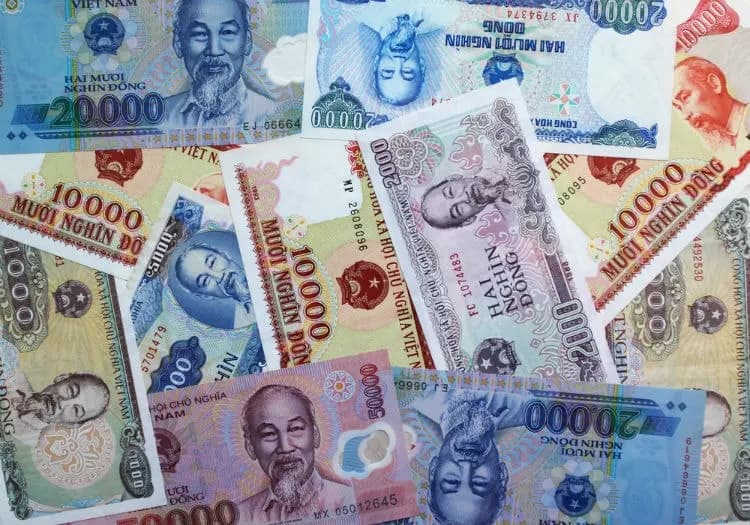
Planning a trip to Vietnam from India? Understanding the Vietnam currency, exchange rates, and payment methods before you travel can help you avoid unnecessary expenses and manage your budget with confidence. Vietnam currency, commonly known as Vietnamese Dong (VND), is characterized by high denominations of banknotes that may seem strange to a traveler visiting Vietnam for the first time.
This guide explains everything Indian travellers need to know about the Vietnamese Dong, including the current exchange rate, where to exchange INR to VND, whether to carry cash or use cards, typical travel costs, and practical money tips for a hassle-free trip. By the end of this guide, you'll know how to get the best value for your money and avoid common currency exchange mistakes.
Understanding the Vietnamese Dong
The Vietnamese Dong (VND, ₫) is Vietnam's official currency. A cup of coffee might cost around 25,000 VND, while dinner at a good restaurant could cost 300,000 VND or more. Although the numbers may seem high at first, the actual cost of everyday purchases is often quite affordable.
Before your trip, check the latest INR to VND exchange rate, as currency values can change daily. To make handling cash easier, remember that Vietnamese banknotes are colour-coded and come in different sizes, making them easier to identify and use.
Can You Buy Vietnamese Dong Before You Travel?
In most cases, no. Vietnamese Dong is not widely available at Indian exchange counters. Carrying US Dollars from India is often the most convenient option, as they are widely accepted for exchange in Vietnam. If available, exchange a small amount of Vietnamese Dong before you travel. Otherwise, withdrawing cash from ATMs after arrival is another convenient option, and the convenience often outweighs the small fee.
If you're unsure which option is right for you, speak to a forex specialist before you travel. Lulu Forex can help you choose the right combination of foreign currency and travel cards for your travel needs.
Where You Should Actually Change Your Money
Airport counters are convenient for immediate cash needs. Comparing exchange rates before you travel can help you choose the option that best suits your trip.
Once you're in the city, you'll find several other exchange options. Licensed money changers, particularly gold and jewellery shops in spots like Hanoi's Old Quarter or District 1 in Ho Chi Minh City, tend to offer solid rates. Bank branches are reliable too, just slower, and they'll want to see your passport. Hotels will change money for you as well, though don't expect the best deal there.
Planning your foreign currency in advance can help you manage your travel expenses more conveniently from the moment you arrive.
Using Your Cards
ATMs are widely available in cities and tourist areas. However, local ATM fees and your Indian bank's overseas withdrawal charges may apply, so frequent cash withdrawals can increase your overall costs. Carrying a prepaid travel card along with a small amount of local currency can be a convenient way to manage your travel expenses. Hotels, larger restaurants, and shopping malls widely accept cards, while street stalls and local markets generally prefer cash. Before you travel, make sure your card is enabled for international use and check any applicable foreign transaction fees.
Tipping and Everyday Costs
Tipping is not customary in Vietnam, but small tips are appreciated for good service, especially in tourist areas. Bargaining is common in local markets and is generally expected. Fixed-price stores and shopping malls usually do not negotiate prices.
Small Things Worth Remembering
Count your change carefully. The 10,000 and 100,000 VND notes look nearly the same at a glance, and plenty of travellers have handed over the wrong one without noticing. Avoid exchanging money with street vendors offering to exchange cash, no matter how good their rate sounds. Keep your receipts if you're planning to convert leftover Dong before flying home. And try to carry a mix of small and large notes, since vendors don't always have change lying around.
Plan Ahead
Understanding Vietnam's currency before you travel can help you manage your expenses, avoid unnecessary exchange fees, and enjoy a hassle-free trip. From knowing where to exchange money and how to use cash and cards, to understanding local payment practices, a little preparation goes a long way. Before you leave India, arrange your Vietnamese Dong with a trusted provider like Lulu Forex to enjoy competitive exchange rates and a smooth currency exchange experience. With your travel money ready in advance, you can focus on exploring Vietnam with confidence and peace of mind.
Subscribe Our Youtube Channel
Subscribe Now

