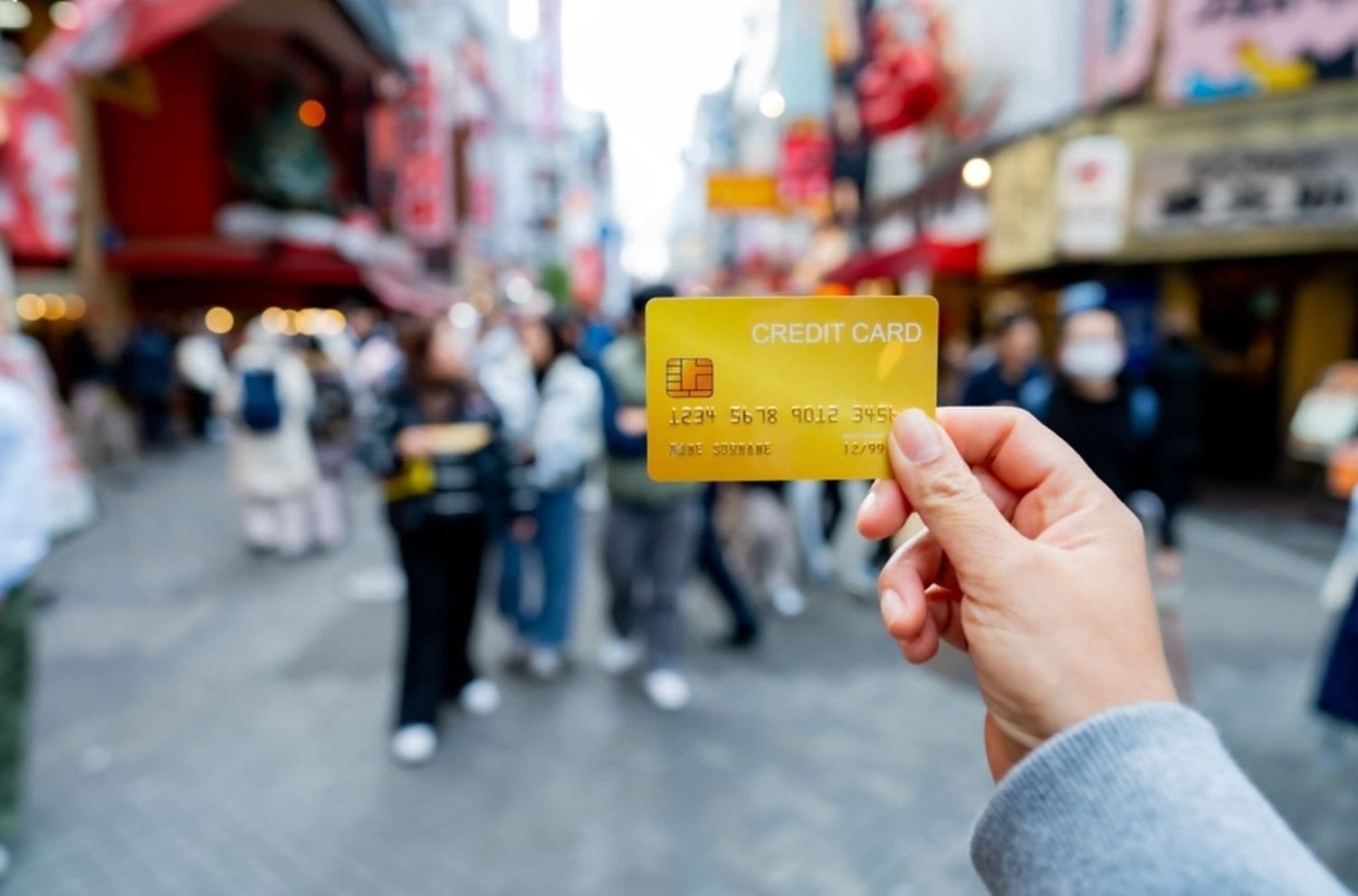
Is a Forex Card Better Than Cash?
A forex card beats cash on almost every count: better rates, spending control, legal compliance with RBI limits, and something to fall back on if your wallet gets lifted. The only time cash wins is in smaller markets and rural pockets where cards aren't accepted. For everything else, load your card before you fly.
The Problem With Cash Abroad
Here's what actually happens when you decide to "just carry cash."
You arrive at the airport. You're already flustered, find the currency exchange counter, and the rate looks fine until you do the math later and realise the counter charged you a markup of anywhere between 6% and 15% over the market rate. Airport currency exchange centres are known for the highest markups, often reaching 5% to 15%. On a ₹1,00,000 exchange, that's up to ₹15,000 gone before you've even checked into your hotel.
Also Read:Why a Zero Forex Markup Travel Card is the Smartest Choice for International Travellers from India
Then there's the legal side. As per RBI forex rules, individual travellers carrying cash or coins in a foreign currency from India should adhere to a limit of USD 3,000 per visit. The rest has to come through a forex card, traveller's cheque, or bank draft.
What a Forex Card Actually Does Differently
A forex card isn't just a plastic alternative to cash. It changes how you manage money on a trip.
- Rate lock: When you load a forex card before you travel, you lock in the exchange rate at that point. If the rupee weakens after you leave, your travel budget doesn't shrink with it.
- Multi-currency access: Multi-currency access: Cards like the LuLu Forex Travel Card support up to 28 currencies on a single card. So whether you're travelling from the UAE to Europe and then to the UK on one trip, you can load multiple currencies onto one card without scrambling for a different currency at every border
- Spending control: You load what you plan to spend. That's your limit. It's harder to overspend when you can't dip into your savings account by accident.
- ATM withdrawals abroad: Most forex cards charge a flat fee per ATM withdrawal, which is significantly lower than what your regular debit card charges in foreign transaction fees.
- Blocked or stolen card: You can freeze it remotely. Try doing that with an envelope of euros.
Where Cash Still Makes Sense
Don't write cash off entirely. There are real situations where it's the only option:
- Street markets, small vendors, and local transport in many countries in Southeast Asia still rely on or only accept cash.
- In many rural areas in Europe, Africa, and parts of the Middle East, the card infrastructure is very patchy.
- Giving tips, visiting small religious sites, and buying from roadside food stalls almost always mean dealing in cash only.
The sensible solution is a combination: carry a small amount of cash for your daily minor expenses and keep the majority of your travel money on a forex card. This is also, by the way, the way the RBI framework has been planned: if you have with you foreign exchange equivalent to USD 10,000 for your travel, you can only carry in currency notes and coins up to a maximum of USD 3,000. The remaining amount should be held in other approved forms, such as a forex card.
The Bottom Line
Cash is not the enemy. But relying on it entirely for international travel is a gamble that rarely pays off. Airport rates eat into your budget before your trip begins, the RBI caps how much you can carry anyway, and there's zero protection if something goes wrong.
A forex card solves all three of those problems before you even board.
If you're travelling soon, don't leave this for the airport queue. Get in touch with LuLu Forex and load your travel card at a locked-in rate, with no hidden charges, backed by an RBI-authorised dealer. Visit luluforex.com or walk into your nearest branch before your next trip.
Explore Questions
Subscribe Now