
How Much Forex Can You Buy in India?
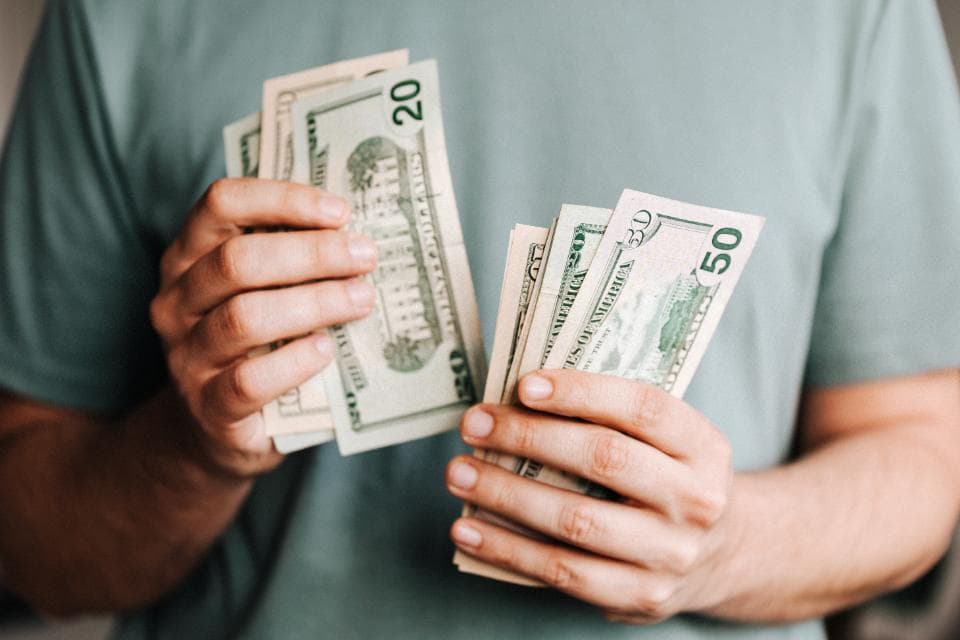
If you're booking a trip abroad, sending a child to study overseas, or covering a medical bill in another country, this question comes up sooner or later. How much foreign exchange are you even allowed to buy? India allows residents to buy a substantial amount of foreign exchange each year, subject to RBI regulations and documentation requirements. Here's a breakdown of those limits, what counts as a valid reason to buy forex, and how the whole process plays out in practice.
What Counts as Forex?
Forex is just shorthand for foreign exchange, any currency that isn't the rupee. The moment you convert rupees into dollars, euros, dirhams, or anything else for travel, education, or sending money abroad, you've made a forex transaction. The Reserve Bank of India oversees all of this under the Foreign Exchange Management Act, which lays out who's eligible to buy forex, how much they can buy, and the purposes that qualify.
The LRS Limit: How Much Forex Can You Buy?
The rule that governs most of this is the Liberalised Remittance Scheme (LRS). Under this scheme, every resident Indian, including minors with guardian approval, can remit up to USD 250,000 per financial year. This is the current forex limit in India under LRS. This isn't a per bank allowance either.
A handful of details matter once you actually try to use this limit:
- Out of whatever you take abroad, only USD 3,000 can be physical cash, and that's per trip. Anything beyond that is generally issued through forex cards, demand drafts, or bank transfers.
- TCS may apply to certain foreign remittances above specified limits and can be claimed in your tax return.
- Any unused portion of the limit expires at the end of the financial year and does not carry forward.
Permitted Uses of Forex Under LRS
LRS isn't limited to vacation money. It stretches across a fairly wide list of needs:
- Travel abroad, whether for leisure or business
- Tuition, hostel fees, and living costs for studying overseas
- Medical treatment, for yourself or a family member
- Ongoing support for close relatives living abroad
- Gifts or donations sent to family overseas; investments in foreign stocks, mutual funds, or property
- Costs tied to employment or emigration
All of these draw from the same overall USD 250,000 pool. So if you're paying tuition and also sending money to a relative abroad within the same financial year, both amounts eat into that one limit, not separate ones.
What You'll Need to Buy Forex
The actual buying process isn't difficult, but there's paperwork to get through. Authorized dealers, banks included, will typically ask for:
- A valid PAN card, required no matter how small the amount
- Your Passport, plus a visa copy if your destination requires one
- A confirmed flight ticket, showing travel within 60 days of the purchase
- Form A2, the declaration stating what the forex is for
- Documents tied to your specific purpose, an admission letter if it's for education, hospital estimates if it's for medical treatment
You're allowed to buy forex as early as 60 days before you fly, which gives you room to lock in a rate ahead of time instead of rushing through it the week of your trip.
Choosing the Right Forex Product
Once the paperwork's sorted, there's more than one way to actually hold and use the money:
- Currency notes: Physical cash in the destination's currency, capped at USD 3,000 per trip for most destinations.
- Forex Cards: Prepaid cards for spending and withdrawing cash abroad.
- Demand Drafts: Used to make payments to universities or hospitals overseas.
- Wire Transfers: Bank-to-bank transfers for tuition fees and other large payments.
LuLu Forex offers a complete range of forex services, making it easy to choose the right option for your needs.
Getting a Better Forex Rate
Rates move constantly, shaped by global currency markets, demand from Indian travellers, and whatever margin a dealer adds on top of the interbank rate. A few habits make a real difference here:
- Check rates across more than one provider instead of going with the first quote you see. Even a small gap adds up once the amount gets larger.
- Skip airport counters when you can. They almost always carry a heavier markup.
- Book ahead where possible. Locking in a rate early protects you from last minute swings in the market.Watch for
- hidden charges tacked on beyond the rate that's actually displayed.
This is where a dedicated forex provider earns its keep. Lulu Forex keeps its rates competitive and upfront, with nothing added on after you've already committed to the transaction.
A Few Things People Usually Worry About
First time buyers often wonder if they're allowed to carry "too much" forex, or whether the documentation will hold things up. In reality, as long as you're within the LRS cap and have your PAN, passport, and travel proof ready, things move quickly. The real mistake is waiting until the last minute, which leaves you with fewer options for a good rate or the right combination of products.
Final Thoughts
Knowing your forex limits helps you plan international travel and payments with greater confidence and fewer surprises. Understanding documentation requirements and available forex products can make overseas transactions smoother and more efficient.
Also Read: A Complete Guide to Currency Exchange for Students Going Abroad from India
Need foreign exchange for travel, education, or overseas payments? Choose LuLu Forex for secure and reliable forex services.
Subscribe Our Youtube Channel
Subscribe Now

